





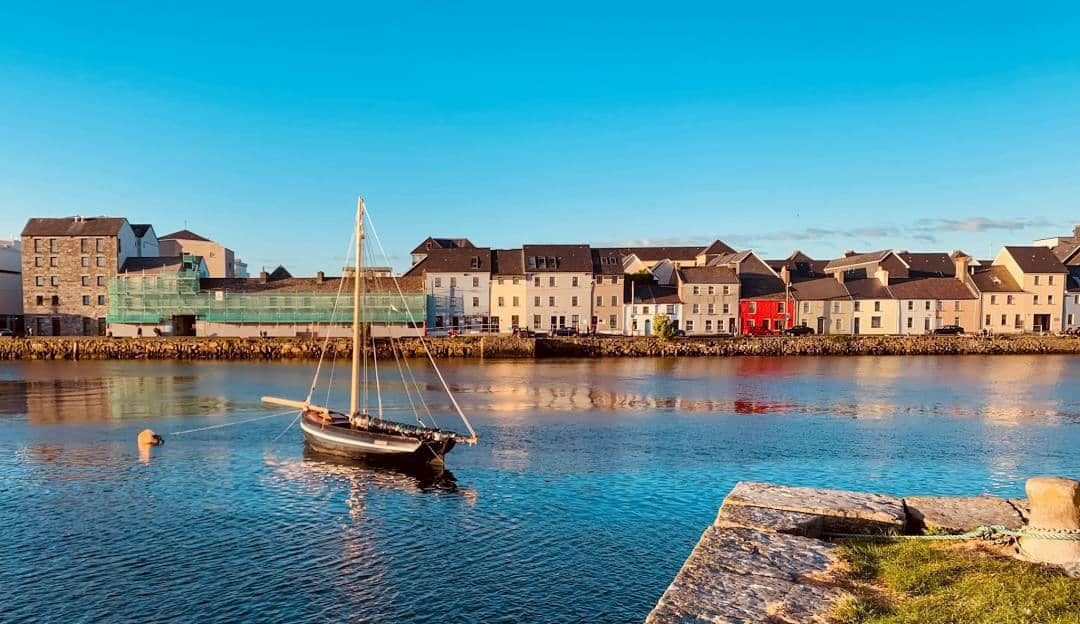
Moving to Galway – Quick Summary
General Summary
Galway is a compact, coastal city with a strong cultural scene, a growing jobs market and easy access to the outdoors. It suits people who want energy, festivals and sea air without the size and cost of Dublin, and who are comfortable with a smaller but still diverse range of work and housing options.
Main Bullet Points
- Galway City Centre offers walkable living, nightlife and short commutes at higher per-square-metre housing costs.
- Suburbs like Knocknacarra, Salthill and Doughiska balance schools, amenities and easier parking with short drives or bus trips into town.
- Satellite towns such as Oranmore, Claregalway and Moycullen provide more space and value in exchange for longer car or bus commutes.
- Overall cost of living is typically lower than Dublin, especially for housing, but rents have risen in recent years and popular areas still command a premium.
- Storage is most useful when there is a gap between selling and buying, when renovating an older or coastal property, or when you are relocating to or from Galway in stages.
Basic Explainer
If you are moving to Galway, you first need to decide whether you want a city-centre lifestyle, a family suburb or a quieter town or village nearby. That choice sets your housing budget, commute time and day-to-day routines. Once you know the area, you can plan the logistics: survey your home, choose dates, decide whether you need packing and storage, and then book a mover early enough to avoid pressure from student terms, festival weekends and busy summer periods.
Moving to Galway in 2026
Galway is one of the most distinctive places to live in Ireland: a compact coastal city with a strong arts and music scene, a growing jobs market and fast access to both the Atlantic and the countryside. It appeals to students, professionals, families and expats who want culture, community and sea air without the scale and intensity of Dublin or larger international capitals.
If you are considering a move to Galway, the big decisions are not only about cost. You will need to choose between city-centre living, family suburbs or quieter commuter towns, understand how far your budget goes in each, and be realistic about commuting patterns and seasonality in a city with universities and major festivals. This guide explains who Galway is a good fit for, which areas are worth shortlisting, how housing and daily costs compare with other parts of Ireland and how to plan the logistics of moving to or from Galway smoothly, including when storage is genuinely worth using.

Where to Live in Galway: City, Suburbs and Coast
Galway City Centre – lively, walkable and compact
Galway City Centre is the obvious choice if you want to be in the middle of everything: work, pubs, restaurants, venues and shops are all within walking distance, and you can cross the core of the city in minutes. Housing here is mainly apartments, townhouses and smaller terraced homes, and you pay a premium on a per‑square‑metre basis in return for walkability and minimal commuting.
Living in or near Eyre Square, the Latin Quarter or the West End suits people who work in the city, tend to socialise in town and either walk, cycle or rely on buses rather than driving every day. It is less suited to those who need a driveway, big garden or very quiet streets, but perfect for anyone who values being able to leave the car parked for most of the week.
Suburban Galway – Knocknacarra, Salthill, Rahoon, Doughiska and more
Suburban Galway offers a middle ground between city‑centre living and a full commuter‑town experience. Areas like Knocknacarra and Rahoon are popular with families because of their mix of estates, schools, retail parks and relatively quick bus or car journeys into town. Housing here tends to be a mix of semi‑detached and detached houses, with more space and parking than the inner city, while still close to amenities.
Salthill is the classic coastal suburb, with a seafront promenade, beaches and a strong sense of place that attracts people who want sea views and daily walks by the water. Prices here can be higher than in some inland suburbs because of the coastal location, but you still benefit from regular buses and a short drive into the city. On the east side, areas like Doughiska and the developing suburbs near major business parks give good access to employment centres and the Dublin road, making them attractive for commuters and people who travel regularly.
Commuter towns and villages: Oranmore, Claregalway, Moycullen and Barna
If you are happy to drive or use regional buses, satellite towns and villages around Galway can offer more space and better value while still keeping you connected to the city. Oranmore, for example, is a fast‑growing town with strong road and bus links, newer housing estates and good local services, which has become a popular choice for people moving from Dublin or other counties.
Claregalway and Moycullen offer village‑style living with a mix of newer estates and older properties, appealing to families and people who want a bit more distance from the city while still having practical access to schools and shops. Barna and similar coastal villages provide a quieter lifestyle with sea access and scenic surroundings, at the cost of longer journeys for some daily tasks and more reliance on a car. For many movers, these towns hit the sweet spot between community, space and reachability.
Rural and coastal Galway county – space, scenery and trade-offs
Beyond the immediate commuter belt, Galway county offers rural and coastal living with a strong emphasis on landscape and space. People choose these areas for peace, views and community ties, often accepting that they will drive further for shops, services and socialising. You are closer to the Wild Atlantic Way and some of Ireland’s best scenery, but longer journeys and weather exposure become a bigger part of everyday life.
Rural and coastal locations are best suited to people whose work is fully remote or local, and who have thought through practicalities such as winter driving, school routes and access to healthcare. For the right person, these trade‑offs are worth it, but they demand more planning than a straightforward move from one city apartment to another.
Using Storage When You’re Moving To or From Galway
When storage genuinely helps with a Galway move
Storage becomes valuable if the timing of your Galway move does not line up neatly. A common scenario is selling a home in another county, having to move out before your Galway property is ready, and needing a place to keep everything safe in the gap between the two dates. In that case, using storage avoids having to move twice into temporary accommodation packed with boxes.
Storage is also useful when you are renovating an older or coastal property, where building work, damp-proofing or insulation upgrades mean you cannot bring all your furniture in at once. It can help if you are downsizing from a bigger home in another county into a more compact city property, giving you time to decide what to keep, sell or donate instead of trying to make those decisions in a single weekend.
How much storage space most Galway movers need
Most people moving to or from Galway fall into a few common patterns. A one‑bed or compact two‑bed apartment usually fits into a single small container or a modest storage unit, especially if you have already decluttered before the move. A three‑ to four‑bed house typically needs one or more full containers, depending on how much large furniture, outdoor equipment and stored belongings you have accumulated.
Because Galway moves often involve coming from or going to other counties, it is important to get a realistic volume estimate rather than guessing. A pre‑move survey, either in person or by video, lets a mover measure your belongings properly and recommend the right amount of storage space so you are not paying for empty air or, worse, running out of room on the day.
How Local Movers coordinates moves and storage to and from Galway
The simplest way to use storage in a Galway move is to fold it into the same plan as the rest of your relocation, using one Galway moving company for collection, storage and final delivery. A good mover will create a single inventory, label items by room or priority and load them into containerised storage so that everything stays together and protected until you are ready.
When you book both moving and storage in Galway through one provider, your belongings are normally loaded once, sealed into containers in a secure warehouse and then brought to your new home when you give the go‑ahead date. That avoids extra handling and reduces the risk of loss or damage compared with juggling separate self‑storage and transport yourself. It also means that if your dates change—which is common with long‑distance and chain‑dependent moves—the mover can adjust storage and delivery slots within a single system rather than you having to coordinate multiple suppliers.
Related content you will find useful and informative:
Moving to Kildare in 2026: Areas, Costs, Commutes and How to Plan the Move
The Secret to a Stress-Free Move? An Accurate Inventory. (Introducing Our New Tool!)
The Definitive Guide to Moving Company Services in Ireland: Expertise from Local Movers
Moving House Checklist for Ireland: Your 8-Week Countdown
