





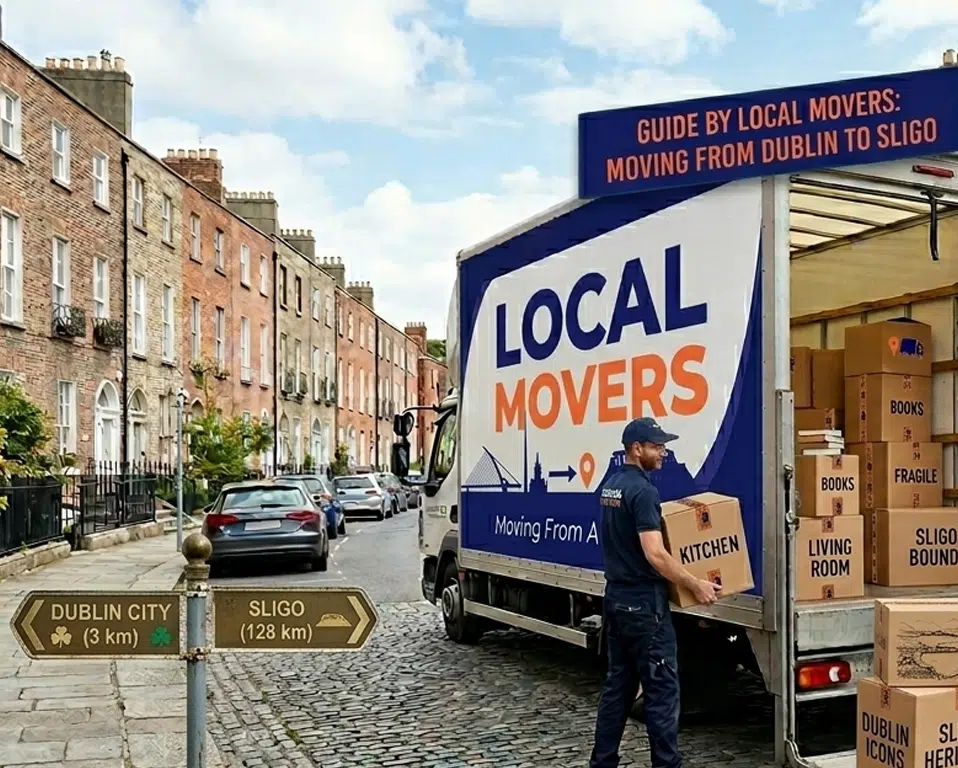
Moving from Dublin to Sligo in 2026: Costs, Areas, Lifestyle and How to Plan the Move
At a glance: moving from Dublin to Sligo
Moving from Dublin to Sligo is usually about one thing: stepping out of the pressure of the capital and into a county where housing, commuting and day-to-day life can feel far more manageable. Sligo offers shorter average commute times, lower rents than the national average in cited regional sources, and strong appeal for people who want access to coast, countryside and a better work-life balance.
At a glance:
- The drive from Dublin to Sligo is about 202 km and typically takes around 2 hours 30 minutes by car, while direct rail takes about 3 hours 13 minutes and direct bus services run regularly as well.
- Regional development data for Sligo highlights average commuting times of about 22.1 minutes and average monthly rent around €1,135 in the cited report, compared with a national average of €1,750.
- Sligo tends to suit remote workers, hybrid workers, families, returners and anyone looking for more space and lower housing pressure than Dublin.
- Popular options include Sligo Town, Strandhill, Rosses Point and surrounding residential or rural areas, depending on whether you want convenience, coast or more space.
- A Dublin-to-Sligo move can often be completed in one long day, but larger homes, packing requirements or storage stages may stretch it into a multi-step move.
This guide explains whether Sligo is the right fit after Dublin, where to live, what costs actually change, what people forget, and how Local Movers can help with removals, packing and storage on this route.
Is Moving from Dublin to Sligo Right for You?
Sligo is a strong option if your main goal is to improve everyday life rather than stay close to Dublin’s job market. It suits people who want more space, shorter journeys, easier access to outdoors and a housing setup that often stretches further than a Dublin equivalent. If you are hybrid, remote, self-employed or simply no longer tied to the capital five days a week, the move becomes much easier to justify.
It may be less suitable if you need regular in-person access to Dublin, depend on a highly specialised city-centre job market or want the scale and convenience of a major city. Sligo has clear strengths, but it is a regional town and county, not a substitute for Dublin’s size, density or range of opportunity.
Why people are moving from Dublin to Sligo now
The pattern is increasingly familiar: people leave Dublin because the trade-off no longer feels worthwhile. The cost of housing, the time spent commuting and the general pressure of capital-city life push many households to look for a place where income stretches further and time is easier to control. Sligo stands out because it combines affordability with strong lifestyle pull rather than offering only one or the other.
Sligo’s work-life-balance appeal is part of the draw. Regional and lifestyle sources emphasise shorter commute times, lower rents, relatively affordable childcare in cited data, and immediate access to coast and countryside. That means the move is rarely just about saving money; it is about changing the rhythm of the week.
Quick pros and cons of moving from Dublin to Sligo
Quick pros
- Lower housing and rent pressure than Dublin in cited regional sources.
- Average commute times around 22 minutes rather than long capital-city travel patterns.
- Strong outdoor lifestyle: beaches, surf, walks, mountains and scenery close by.
- Good fit for remote workers and anyone prioritising work-life balance.
- Easier to get more space for your budget.
Quick cons
- Smaller job market than Dublin, especially for niche roles.
- Daily travel back to Dublin is possible, but too long for most people as a routine.
- Rural and coastal living can mean more car dependence and more planning.
- Choice is narrower than in Dublin for amenities, property stock and services.
- Some people underestimate the adjustment from big-city life to regional living.
Who Sligo suits best (and who it doesn’t)
Sligo suits best if you:
- Work remote, hybrid or can cluster Dublin travel into occasional days.
- Want a town-and-county setup with sea, landscape and shorter local journeys.
- Are looking for more house, lower rent or a less pressured family budget.
- Prefer a more grounded pace of life over constant city convenience.
It may not suit you if:
- You need Dublin as a daily base.
- You want the range of shopping, nightlife, networking and career opportunity that comes with the capital.
- You are not comfortable with driving more often if you choose a village or rural location.
Where to Live in Sligo When You’re Moving from Dublin
Sligo Town – easiest landing spot
Sligo Town is usually the most practical starting point for Dublin movers because it gives you services, schools, shops, cafés and daily convenience in one place. If you want the easiest transition out of Dublin without feeling isolated, town-based living is often the softest landing.
Strandhill – lifestyle first
Strandhill is a natural draw for people leaving Dublin mainly for quality of life. It offers surf culture, sea air and strong west-coast identity, and it appeals particularly to remote workers, couples and people who want the move itself to feel transformational rather than just cheaper.
Rosses Point – scenic and established
Rosses Point appeals to movers who want a coastal village feel with a more settled residential character. It works well for people who value scenery and a quieter routine, though it makes the most sense if you are comfortable with a more deliberate pace and car-based day-to-day movement.
Residential and commuter areas around Sligo
Many Dublin movers end up preferring suburban or nearby residential areas because they strike the best balance of house size, parking and convenience. This is often the sweet spot for families who want space without going fully rural and who still need schools, shops and activities within easy reach.
Rural Sligo – best for space and reset
If the real goal is to leave urban intensity behind, rural Sligo can be compelling. It often offers stronger value, privacy and landscape, but you need to be realistic about broadband, heating, driving and the practical side of rural life before you commit.
Cost of Living and Housing: Dublin vs Sligo
House prices and rents – what to expect
One of Sligo’s strongest advantages is affordability. The Western Development Commission cites average monthly rent in Sligo at €1,135 versus a national average of €1,750 in the referenced dataset, while a recruitment source frames Sligo rents as about 50% lower than Dublin and highlights relatively low local purchase prices in example figures. Exact listings change over time, but the pattern is clear: many Dublin movers can secure more space for less money in Sligo than they can in the capital.
Everyday costs: commuting, childcare and bills
Savings are not only about property. The Western Development Commission cites average weekly full-time childcare fees of €156 in Co Sligo in its referenced data, compared with much higher figures in Dublin Dun Laoghaire/Rathdown. Add in shorter commutes and lower local travel friction, and the move can improve the whole household budget rather than just the mortgage or rent line.
Buying vs renting when you first move
Renting first can make sense if you are unsure whether you want Sligo Town, a coastal village or a more rural base. Buying immediately works better if you already know the county well and are confident about the lifestyle you want, especially because the difference between town, coast and countryside is much more practical in Sligo than it may appear on a map.
Commuting From Sligo to Dublin (and Beyond)
Train and bus realities
Sligo is connected to Dublin by direct rail and coach. Rome2Rio lists the train from Dublin Connolly to Sligo at about 3 hours 13 minutes, while Bus Éireann’s Route 23 operates multiple daily direct services between Dublin and Sligo and passes through key intermediate points including Dublin Airport and Longford. That makes occasional trips workable, especially for office days, flights or meetings.
Driving via the N4 corridor
Driving is the fastest normal option, with Rome2Rio listing the road distance at about 202.3 km and drive time around 2 hours 32 minutes. That is perfectly manageable for move day and occasional return trips, but long enough that most people will not want to do it as a standard daily commute.
Hybrid and remote working – how it changes the equation
This route makes the most sense when Dublin stops being part of your daily week. If you only need to be in the capital occasionally, Sligo becomes realistic and attractive; if you need to be there constantly, the route becomes tiring and expensive over time. Hybrid work is what turns Sligo from “too far” into “well worth it.”
Everyday Life in Sligo
Schools and education
For families, school access is a major part of choosing between town, suburban and rural Sligo. The county appeals partly because it gives families more breathing room, but that only works if the school run and after-school routine still feel practical in the chosen area.
Amenities, shopping and eating out
Sligo has enough shops, cafés, supermarkets and services to make day-to-day life easy, particularly in town. What changes versus Dublin is scale rather than access: fewer options, but often less friction and less time lost moving between them.
Sport and outdoors – sea, surf and mountain access
This is one of Sligo’s biggest strengths. The area is strongly associated with surf, hiking, coastal walks and a kind of active outdoors lifestyle that is hard to replicate in Dublin without much more travel. For many movers, simply regaining time and using it outdoors is one of the clearest benefits of the move.
Things People Forget When They Move from Dublin to Sligo
Parking, property access and rural realities
Moving to Sligo can mean a total change in access conditions. Town-centre properties may have tighter parking, while rural homes can involve longer driveways, steps, sheds or more detached buildings. Those details directly affect move-day planning and should be discussed early.
Bins, broadband and other essentials
If you are moving rural or semi-rural, check broadband before you commit, especially if you work remotely. Also sort bins, fuel or heating systems, local providers and any estate arrangements before move-in week so you are not solving basic setup problems after arrival.
Timing your move around schools and seasons
Summer is popular for obvious reasons, but it is also busier for movers and more competitive for rental changeovers. School timing matters too, especially if the move is part of a broader family reset rather than just a housing decision.
Using Storage When You’re Moving from Dublin to Sligo
When storage actually helps with a Dublin-to-Sligo move
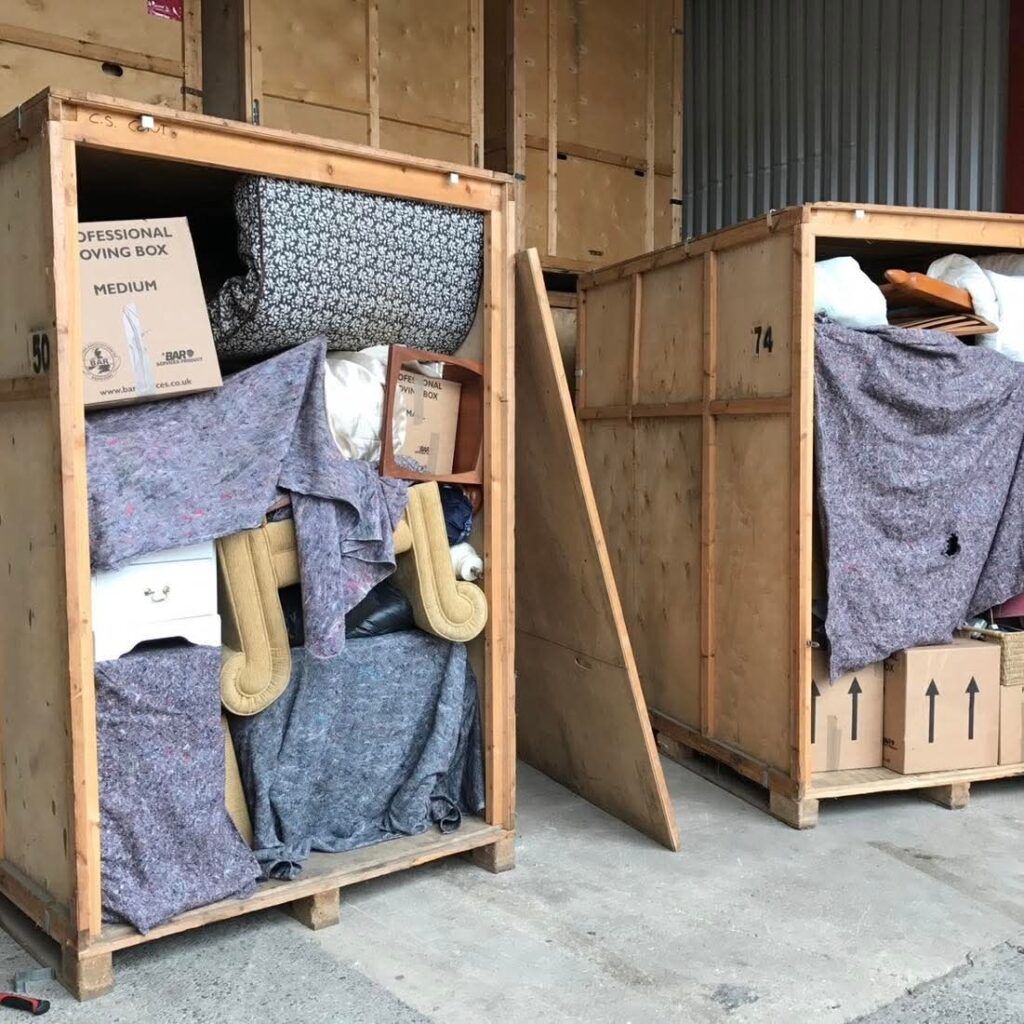
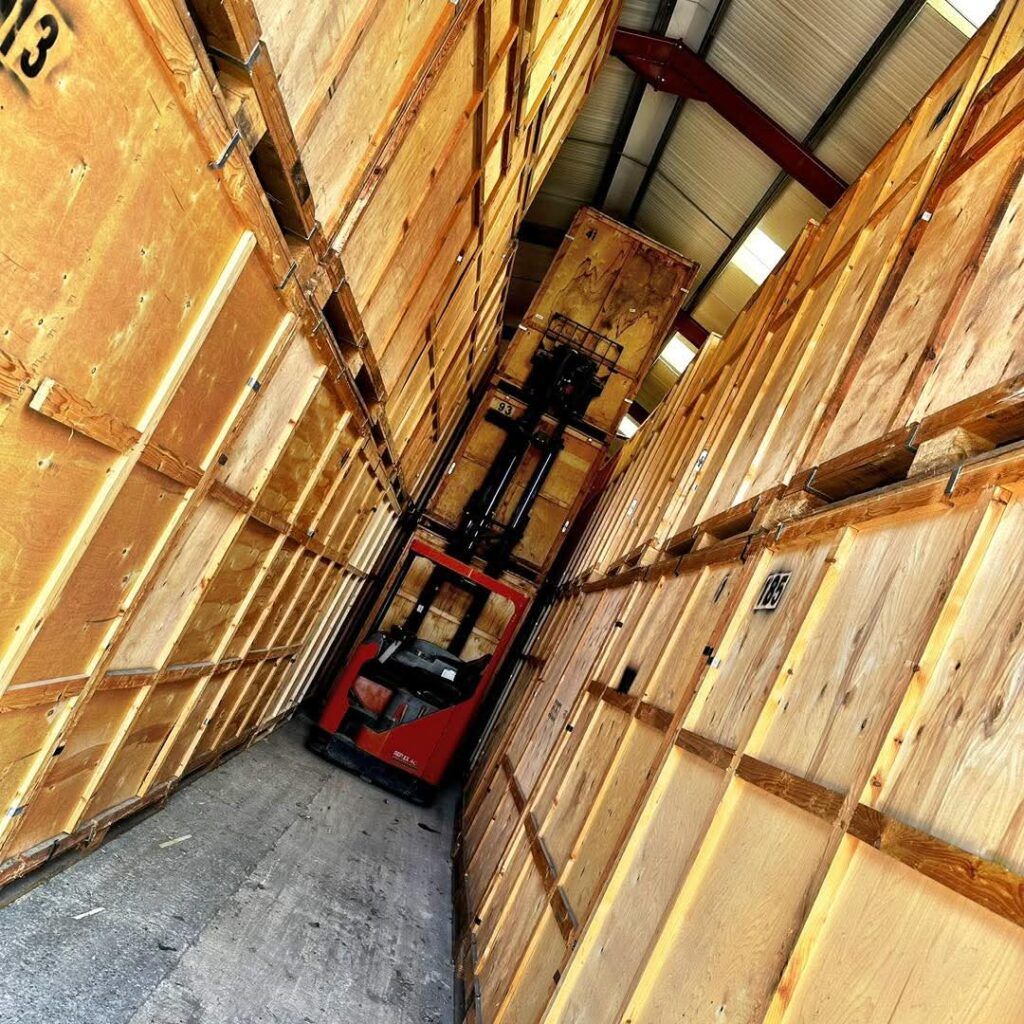
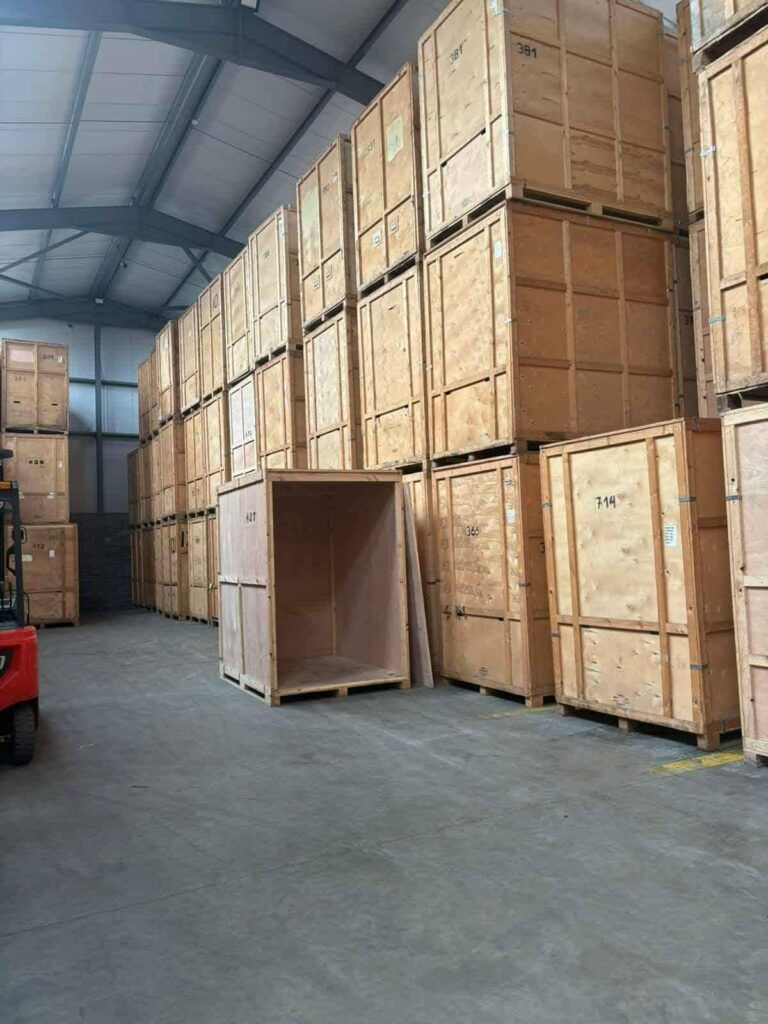
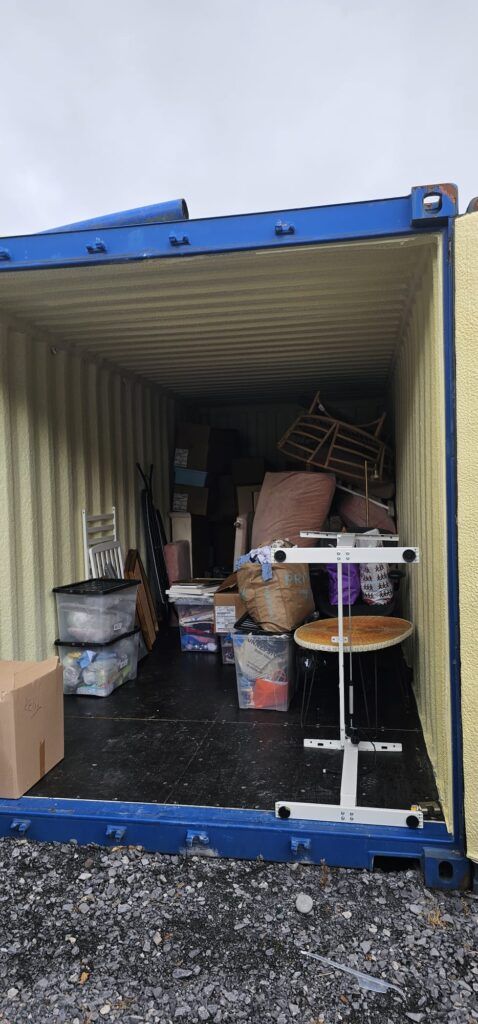
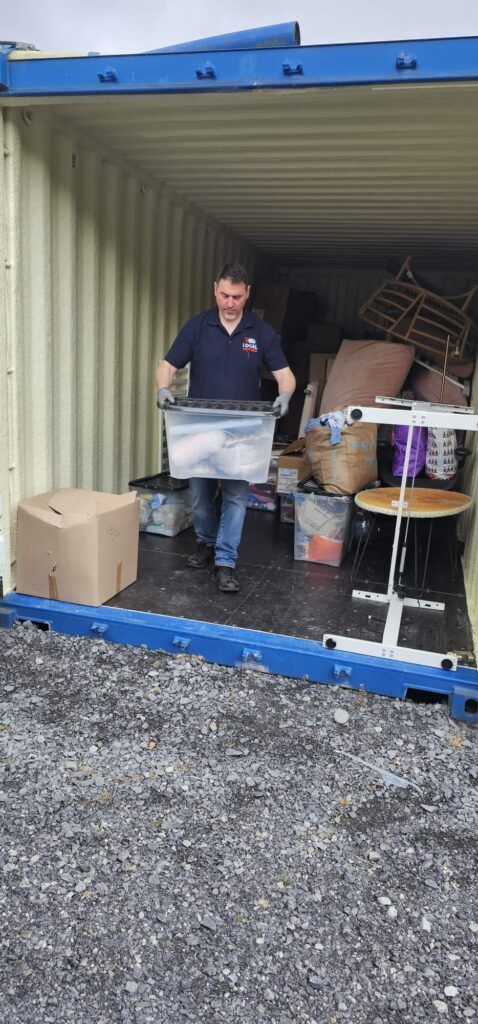
Storage is especially useful when your Dublin sale completes before your Sligo home is ready, when you are downsizing, when the new home needs work, or when you want to move in stages. Those situations are common on longer inter-county routes where the move is also a life transition, not just a change of address.
How much storage space most movers to Sligo need
As a rule of thumb:
- 1-bed home: small unit or partial container.
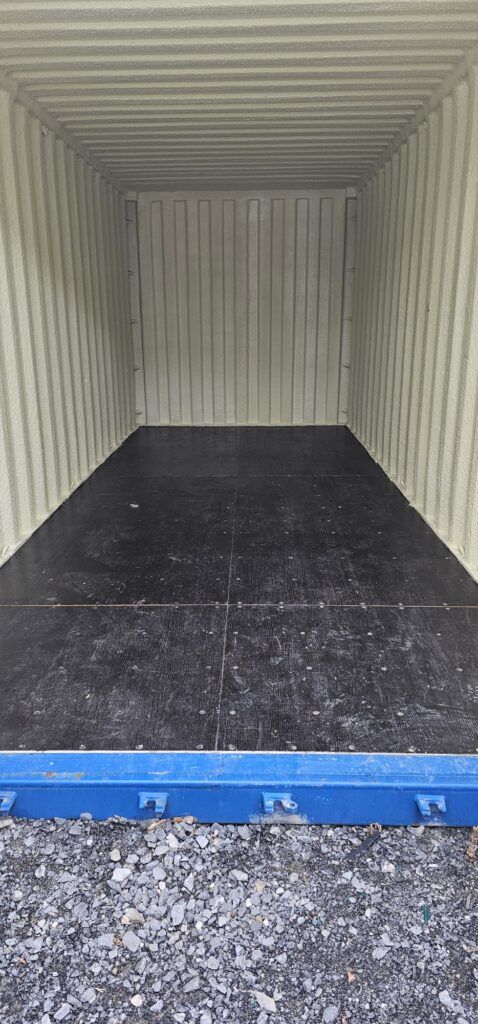
- 2-bed home: often one standard container equivalent.
- 3–4 bed home: one or more containers depending on garage, attic and furniture volume.
The best option is a survey or video assessment so your mover can quote the move and storage together accurately.
How Local Movers coordinates moves and storage
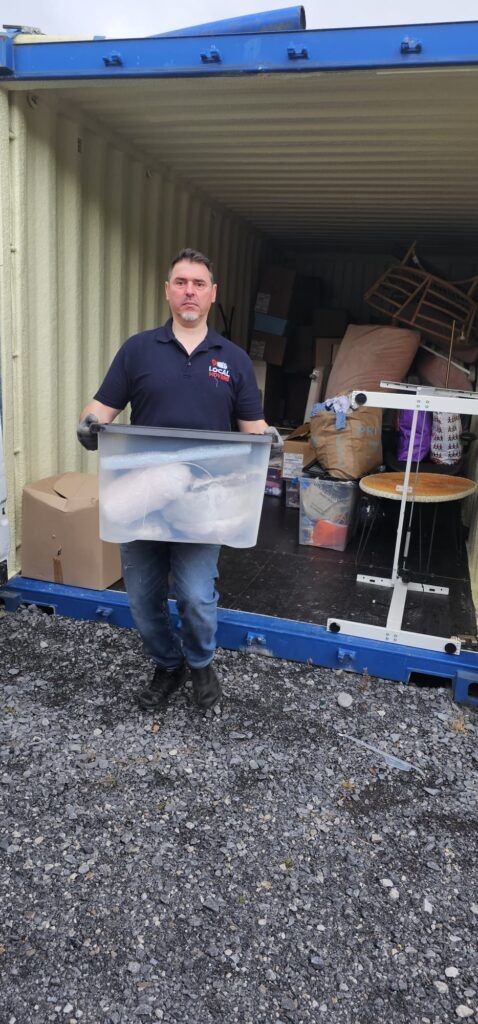
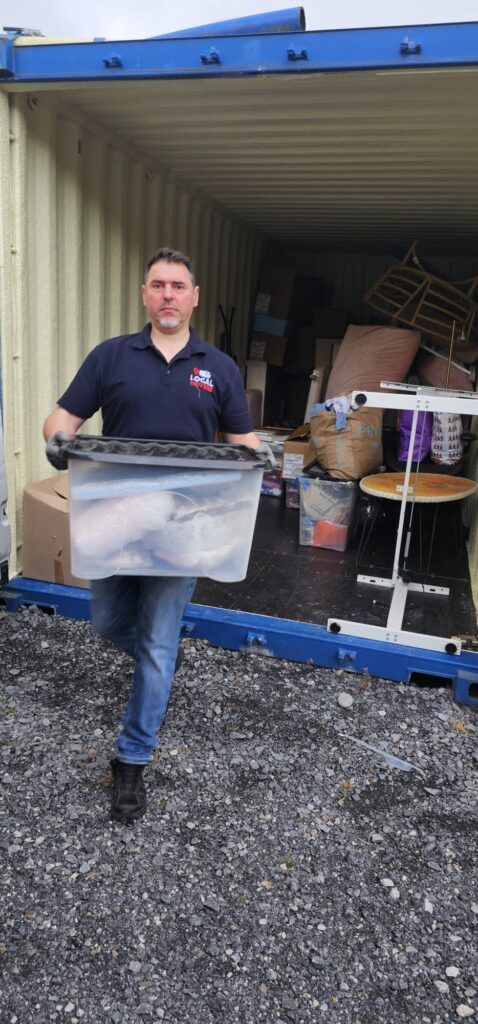
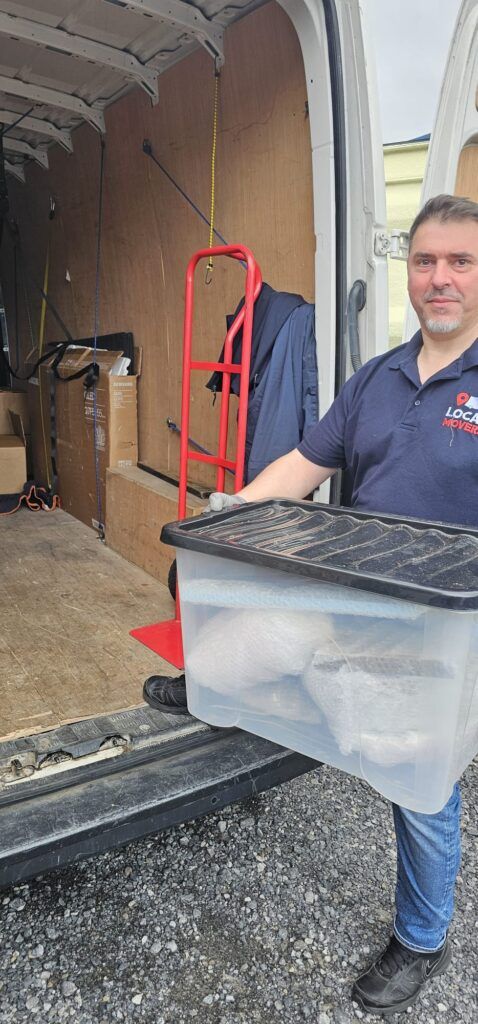
Local Movers can build storage into the same plan as your Dublin-to-Sligo move, which means your goods are assessed once, loaded once and either delivered directly or held until your new property is ready. That reduces double handling and keeps the move simpler at exactly the point where most people need flexibility most.
How Local Movers Helps People Move from Dublin to Sligo
The moves we handle most often on this route
Local Movers can help with:
- House removals from Dublin to Sligo
- Apartment moves with stairs, lifts or limited access
- Family relocations into town, coastal or rural homes
- Partial or full packing services
- Short-term and longer-term storage
- Staged relocations where part of the move happens first
What working with Local Movers looks like
- Initial enquiry and move outline
- Survey by phone, video or in person
- Clear quote based on volume, access and distance
- Packing plan if required
- Move-day loading in Dublin
- Direct delivery to Sligo or transfer into storage
- Final unload, furniture placement and sign-off
Reviews and proof from real moves
Dublin to Sligo – house move with storage gap
“We had a gap of almost four weeks between handing back our Dublin rental and getting the keys to our place in Sligo. Local Movers collected everything, put it into storage and then delivered to Sligo once we got the go‑ahead. Both move days were calm and organised, the same foreman was on both jobs and nothing was damaged coming in or out of storage. Being able to deal with one company for removals and storage made the whole relocation so much simpler.”
Dublin to Sligo – family move
“Moving a young family from Dublin to Sligo had the potential to be chaos, but Local Movers made it feel surprisingly controlled. They were great with planning, very clear on timings and happy to work around school runs and nap schedules. On the day they protected floors, wrapped the furniture properly and had the truck loaded before lunchtime. We arrived in Sligo that evening with beds up, boxes in the right rooms and no drama.”
Long‑distance move with partial packing
“We went with Local Movers for a long‑distance move to the west and asked them to do ‘fragile only’ packing. The difference was huge – all the glassware, pictures and electronics arrived in perfect condition, and we only had to worry about clothes and basic items. The lads were efficient, careful and easy to deal with. If we ever move again across the country, we’ll definitely get them to handle the packing side as well as the move.”




Moving to Kildare in 2026: Areas, Costs, Commutes and How to Plan the Move
Why people trust Local Movers with Dublin-to-Sligo moves
The route is long enough to need proper planning, but short enough that good logistics make it feel smooth. That is where Local Movers adds value: one team for transport, packing and storage, clear planning before move day, and a service built around real-life inter-county moves rather than generic van hire.
Frequently Asked Questions About Moving from Dublin to Sligo
Is moving from Dublin to Sligo worth it?
For many people, yes. It is especially worthwhile if you want lower housing pressure, shorter commutes and a better work-life balance, and you do not need Dublin every day.
Which parts of Sligo are best for Dublin movers?
Sligo Town is often the most practical first choice, while Strandhill and Rosses Point appeal more to people moving primarily for lifestyle and scenery.
What does a typical house move from Dublin to Sligo cost?
That depends on the size of the move, access, packing requirements and whether storage is included. Most long-distance moves are best priced after a survey rather than from a flat online estimate.
How far in advance should I book movers for a Dublin-to-Sligo move?
Four to six weeks is a sensible minimum, and earlier is better in summer, at month-end or if storage may be needed.
Should I rent first or buy straight away in Sligo?
Renting first is often smart if you are still deciding between town, coast and countryside. Buying works best when you already know the county and your preferred lifestyle.
How long does a move from Dublin to Sligo take on the day?
Many smaller and mid-size moves can be completed in one long day, though larger homes or storage-based moves may need to be split across stages.
When should I think about using storage as part of the move?
As soon as dates look uncertain, downsizing is likely or the new property needs work. Storage is most helpful when it gives you breathing room rather than being added at the last minute.
