


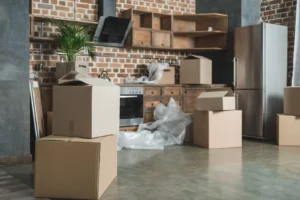


Efficient packing transforms a chaotic moving experience into an organised transition. This comprehensive room-by-room guide provides professional packing techniques specifically tailored for Irish households, ensuring your belongings arrive safely at your new home.
Essential Packing Supplies You’ll Need
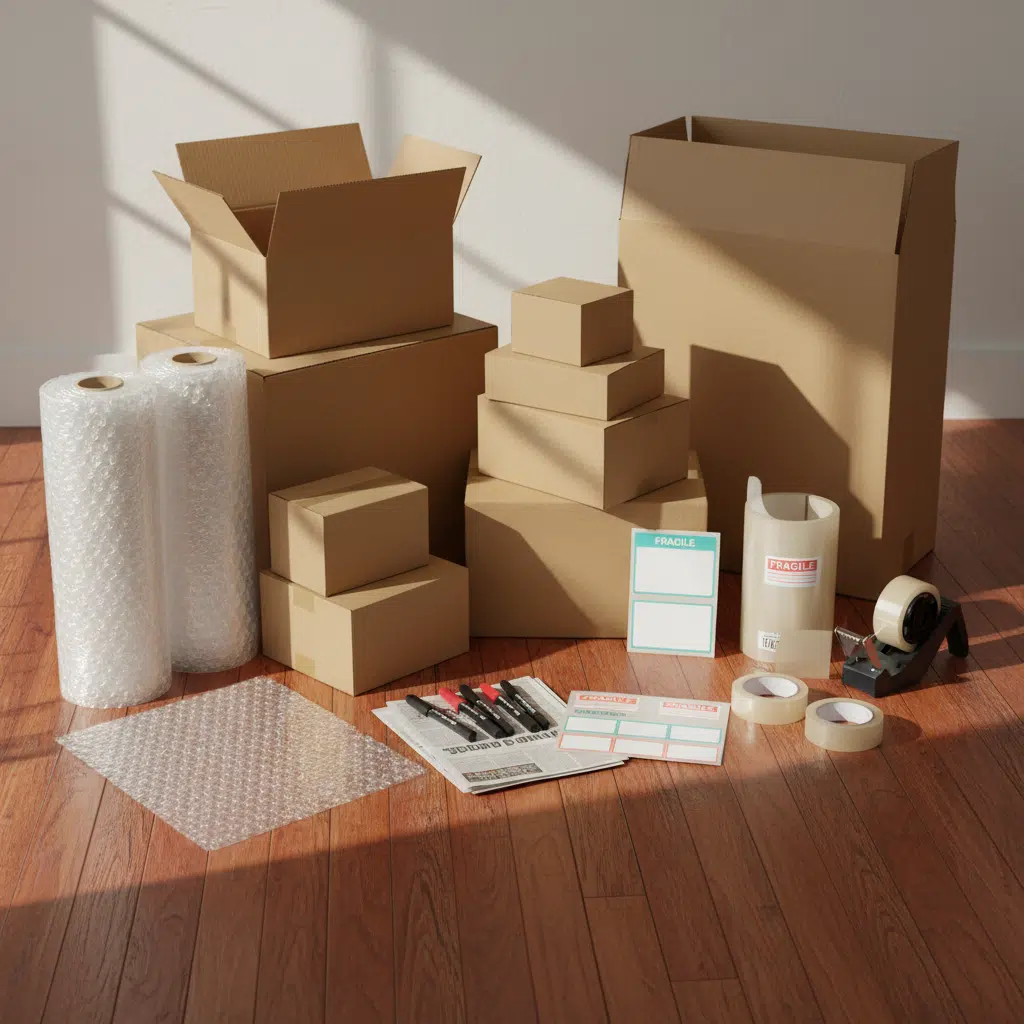
Quality packing materials form the foundation of successful protection for your belongings. For an average three-bedroom house move, gather 40-60 medium boxes, 20-30 large boxes, 10-15 small boxes for heavy items, 3-4 rolls of strong packing tape, bubble wrap, packing paper, and permanent markers in multiple colours. Local Movers as the leading moving company in Ireland supplies professional-grade moving and packing materials designed to withstand Irish weather conditions during transport.
Specialty items require specific supplies. Wardrobe boxes with hanging rails keep clothes wrinkle-free, while dish barrel boxes with thick walls protect fragile kitchenware. Furniture blankets and plastic stretch wrap safeguard larger pieces from scratches and moisture damage.
Packing the Kitchen: The Most Challenging Room
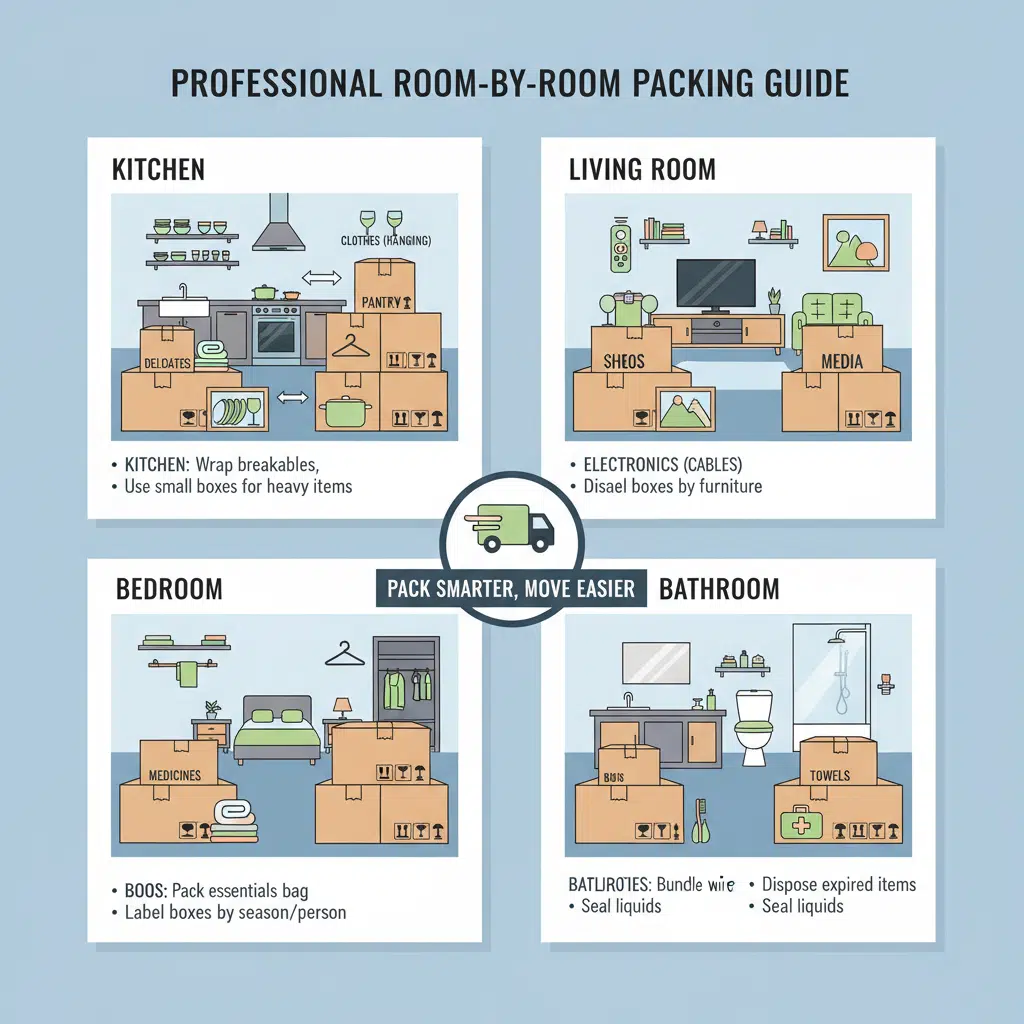
The kitchen demands the most time and careful attention due to fragile items and varied shapes. Begin packing three weeks before your move, starting with items used infrequently like serving platters, fancy glassware, and specialty appliances.
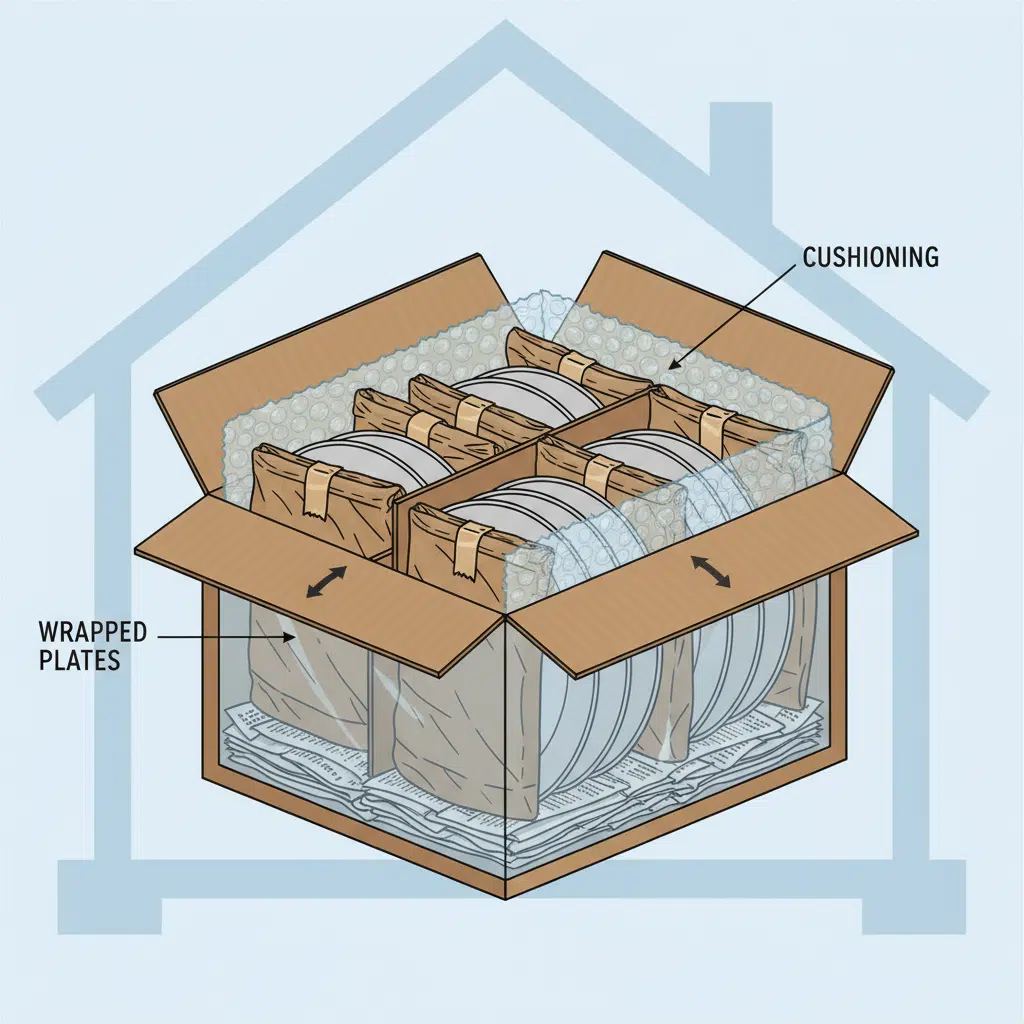
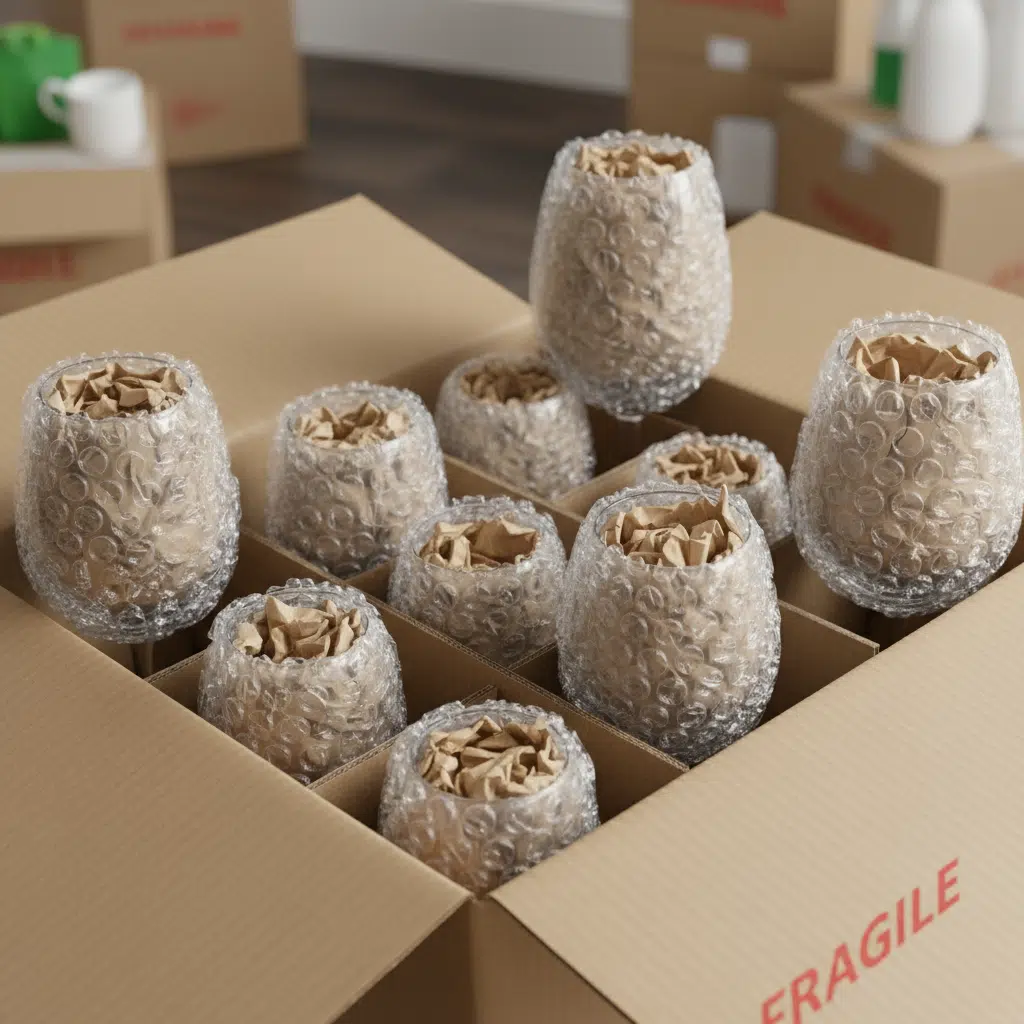
Wrap plates individually in packing paper and stack them vertically in boxes like records, rather than flat. This vertical positioning better absorbs shocks during transport. Create cushioning layers by placing crumpled packing paper at the bottom of each box, between items, and as a top layer before sealing. Wrap glassware in bubble wrap, stuff interiors with paper for reinforcement, and nest smaller glasses inside larger ones for space efficiency.
Small appliances should be packed in their original boxes when possible. If original packaging isn’t available, wrap appliances in bubble wrap, secure cords with twist ties, and use towels or linens as additional padding. Pack one essential box for your first night containing a kettle, mugs, tea bags, coffee, basic cutlery, plates, and cleaning supplies.
Packing the Living Room: Electronics & Decor
Electronics require special handling to prevent damage from shocks and static electricity. Photograph cable configurations before disconnecting devices to simplify setup at your new home. Back up all computer data to cloud storage or an external hard drive before packing.
For televisions and monitors, use the original box when available or purchase specialized TV boxes from Local Movers. Cover screens with soft blankets, secure with tape, and mark boxes clearly as fragile with arrows indicating which end should remain upright. Remote controls and cables should be packed together in labeled plastic bags and taped to their corresponding devices.
Artwork and mirrors need extra protection due to their fragility and value. Create protective corners using cardboard, wrap in bubble wrap, then slide into specially designed picture boxes or create custom boxes from flat cardboard sheets. Mark these boxes clearly as fragile and indicate which side should face up.
Packing Bedrooms & Wardrobes
Wardrobe boxes revolutionize clothing transport by allowing garments to remain on hangers, minimizing wrinkles and unpacking time. Simply transfer hanging clothes directly from your wardrobe into the box, keeping items grouped by person or season. Fold heavier items like jeans and sweaters, packing them in suitcases to maximize space efficiency.
Bedding serves double duty as protective packing material. Use duvets, pillows, and blankets to wrap fragile items or fill empty spaces in boxes to prevent shifting during transport. Vacuum storage bags compress out-of-season bedding and clothing, reducing the number of boxes needed and protecting textiles from moisture.
Personal items including jewelry, important documents, and sentimental objects should travel with you rather than on the moving van. Pack these in a clearly labeled personal box that stays in your possession throughout the move.
Packing the Bathroom & Utility Room
Liquids present spill risks that require careful preparation. Unscrew bottle caps, place plastic wrap over openings, then rescrew caps tightly to create a leak-proof seal. Place bottles in plastic bags, grouping similar items together, then pack upright in small boxes.
Many movers, including Local Movers, prefer not to transport opened bottles of bleach, cleaning chemicals, or other hazardous materials. Use up these products before moving day or dispose of them safely at your local recycling center. Pack unopened, sealed products only, clearly labeling boxes containing any cleaning supplies.
Disconnecting your washing machine requires advance planning. Turn off water supply valves, disconnect hoses, and allow the machine to drain completely. Secure the drum with transit bolts if available, or use towels to prevent internal damage. Professional appliance disconnection services are available through Local Movers for complex installations.
Advanced Packing Techniques for Maximum Efficiency
Weight distribution critically affects box integrity and handling safety. Keep box weights under 20kg for easy lifting, packing heavier items like books in small boxes and lighter items like linens in large boxes. Fill empty spaces with packing paper or soft items to prevent contents from shifting during transport.
Create a detailed inventory system as you pack. Number each box and maintain a corresponding list describing contents and destination rooms. Photograph valuable items before packing for insurance purposes. Use colored markers or stickers to code boxes by room, enabling movers to place boxes in correct locations immediately.
Labeling for an Easy Unpack
Comprehensive labeling transforms unpacking from overwhelming to manageable. Label all four sides of each box, not just the top, since boxes may be stacked with different sides visible. Include the destination room, general contents description, handling instructions (fragile, this way up), and your box number.
Create priority labels for boxes needed immediately upon arrival. Use bright colored stickers or markers to identify essentials boxes containing first-night necessities. Prepare a “Do Not Load” area for items traveling separately in your personal vehicle.
Frequently Asked Questions About Moving in Ireland
How soon before moving should I start packing?
You should begin packing 4 to 6 weeks before your moving date. Start by decluttering and packing non-essential items like out-of-season clothing, books, and decorative ornaments. Leaving packing until the last week significantly increases stress and the risk of damaging items. For larger Irish family homes (4+ bedrooms), we recommend starting 8 weeks in advance.
Where can I get moving boxes in Dublin and Ireland?
You can purchase professional-grade moving boxes from Local Movers, which are designed to withstand stacking and Irish dampness. While supermarkets sometimes offer free boxes, they are often weakened by food residue or moisture and may collapse during transit. For a standard 3-bedroom house, we recommend a “Moving Kit” containing 40-60 mixed-size boxes.
What is the best way to pack fragile plates and glasses?
The safest way to pack plates is vertically on their edges, similar to vinyl records, rather than stacking them flat. This allows the box to absorb shock without crushing the bottom plates. Always line the bottom and top of the box with crumpled packing paper (“crush zones”). For glasses, wrap each one individually in bubble wrap and fill any empty voids in the box with paper to prevent movement.
What items should I pack first when moving house?
Always pack items you use the least first. This typically includes:
- Spare bedding and towels.
- Books and DVD collections.
- Out-of-season clothing (e.g., winter coats in summer).
- Holiday decorations (Christmas/Halloween).
- Fine china and specialty kitchen appliances (like blenders or mixers) that aren’t used daily.
Do I need to empty drawers when moving furniture?
Yes, it is highly recommended to empty all drawers before moving furniture. Full drawers make furniture dangerously heavy to lift and can cause the frame to twist or break during transport. The shifting weight of contents inside can also damage the drawers themselves. Pack drawer contents into small, manageable boxes.
How do I label moving boxes for professional movers?
Label boxes on the top and at least two sides so they can be read when stacked. Your label should include three things:
Priority Level (e.g., “Fragile” or “Open First”). Tip: Color-coding your boxes with stickers (e.g., Blue for Bedroom, Red for Kitchen) makes it faster for movers to place them in the correct rooms.
Room Destination (e.g., “Kitchen”).
Key Contents (e.g., “Pots & Pans”).
Ready for a Stress-Free Move?
Mastering the art of packing is the first step toward a smooth transition to your new home. However, a successful relocation involves more than just boxing up belongings. To ensure you don’t miss a beat with your electricity, broadband, or revenue updates, be sure to consult our complete moving home checklist for a seamless administrative handover.
If the thought of packing an entire household feels overwhelming, remember that you don’t have to do it alone. Our expert furniture movers in Ireland can handle the heavy lifting, protecting your most valuable assets with professional care. Whether you need high-quality supplies or a full-service removal team, LocalMovers.ie is here to make your next move your best move.
Get a free quote today and let us take the weight off your shoulders.
The Complete Guide to Moving Home in Ireland: Essential Utility Contacts & Procedures for 2025
Complete Guide to Moving Services in Ireland
The Definitive Guide to Moving Company Services in Ireland: Expertise from Local Movers
