




Three 20ft containers, two pianos and a lifetime of Irish history
Overview
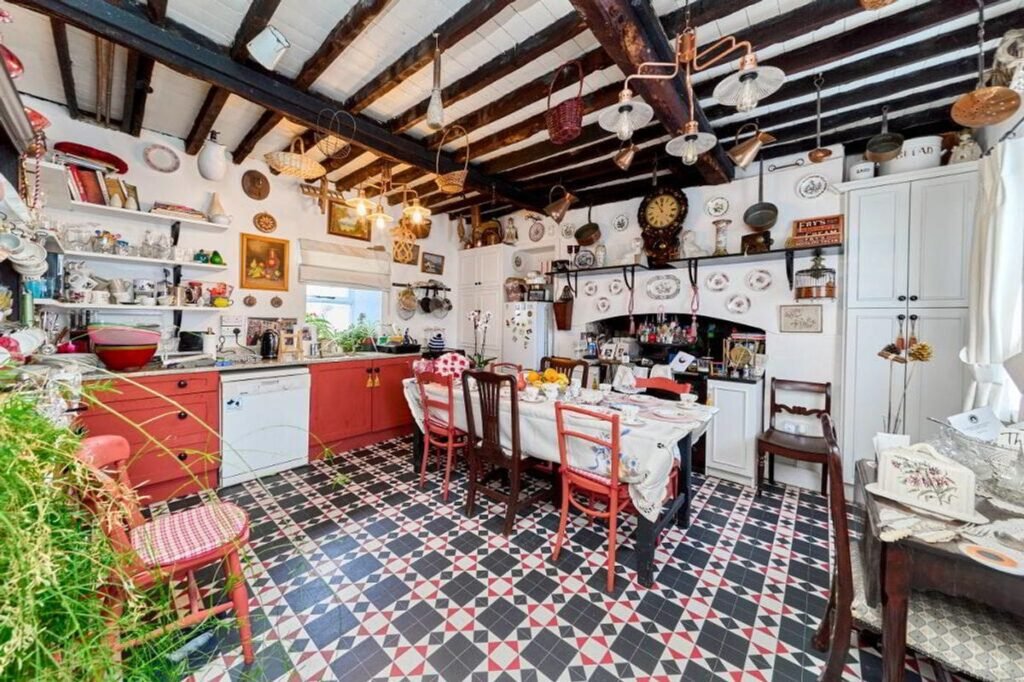
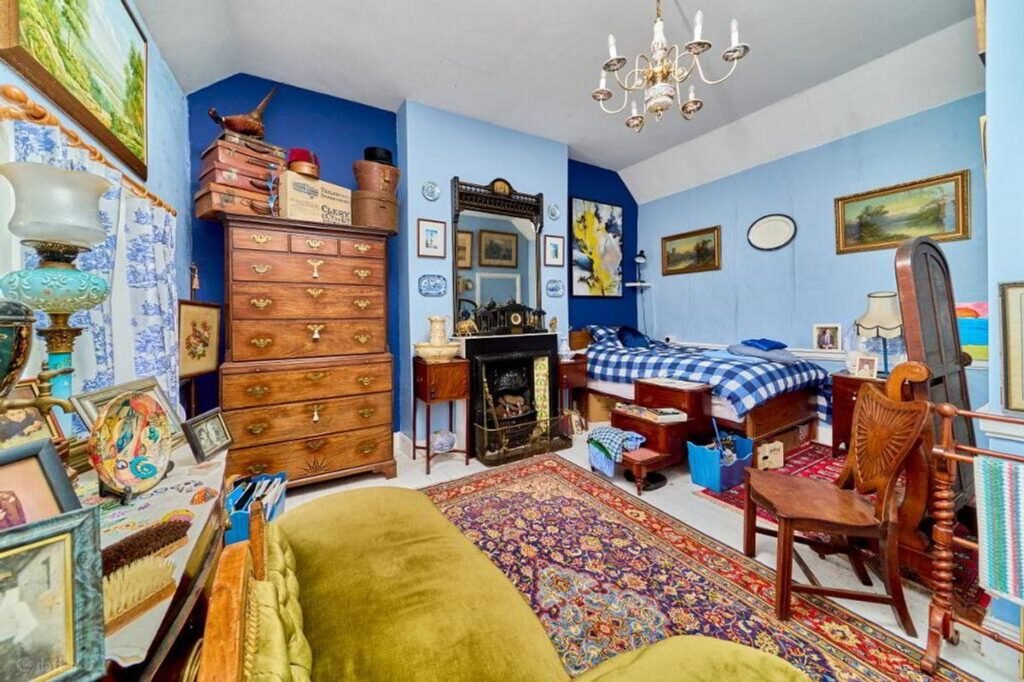
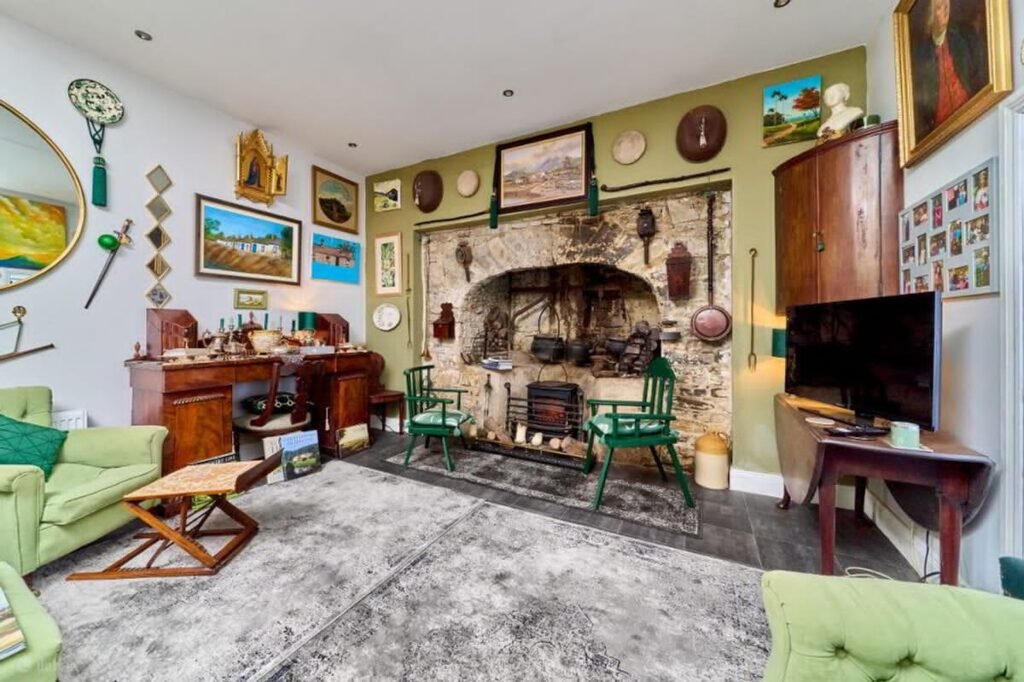
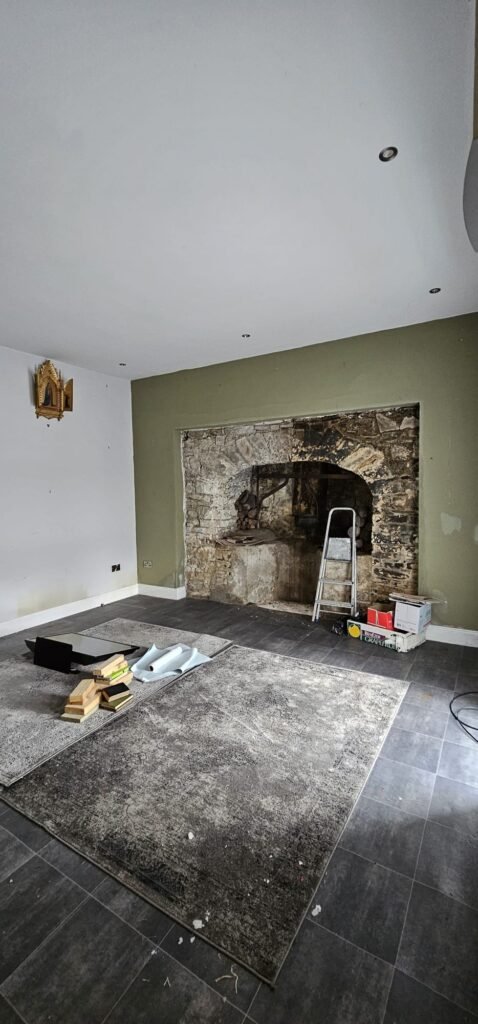
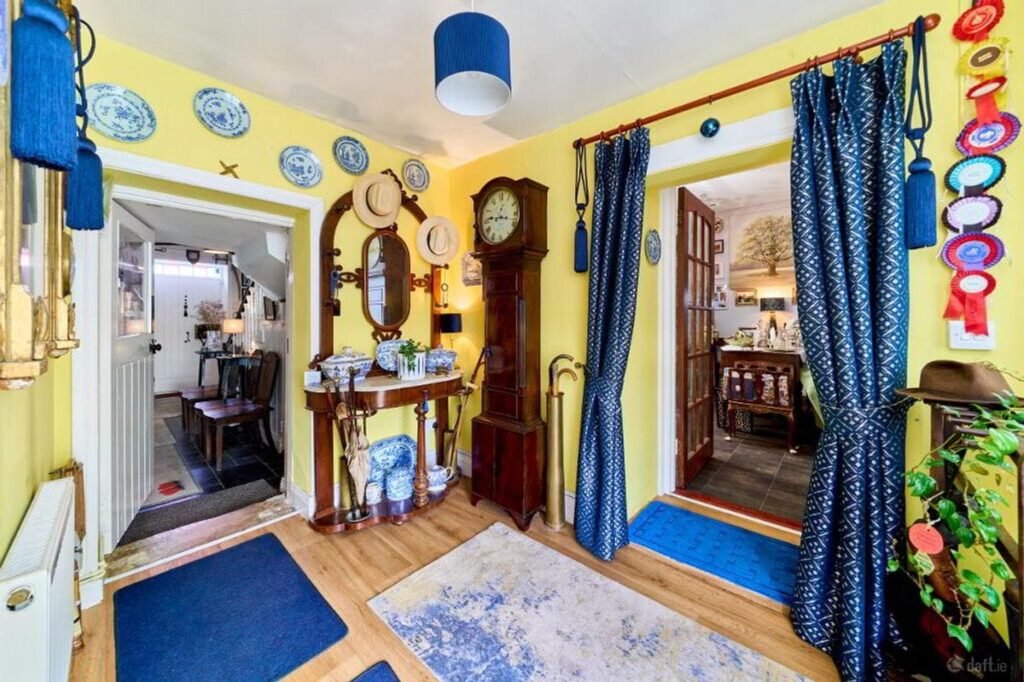
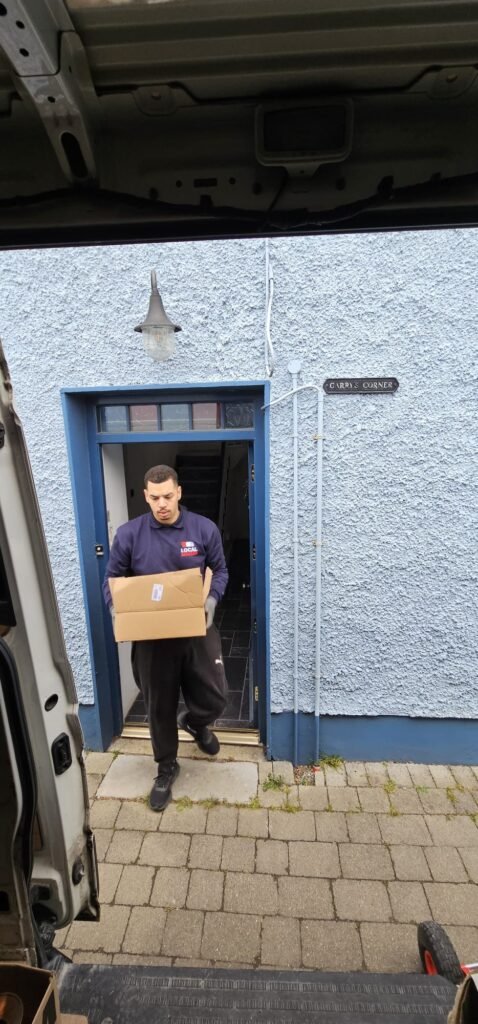
When the owner of a unique Meath home, known as Garry’s Corner, Kildalkey, Co Meath, previously featured in the Irish Independent for its museum‑like collection of Irish antiques and curios; decided to move, they needed more than a standard man‑with‑a‑van service.
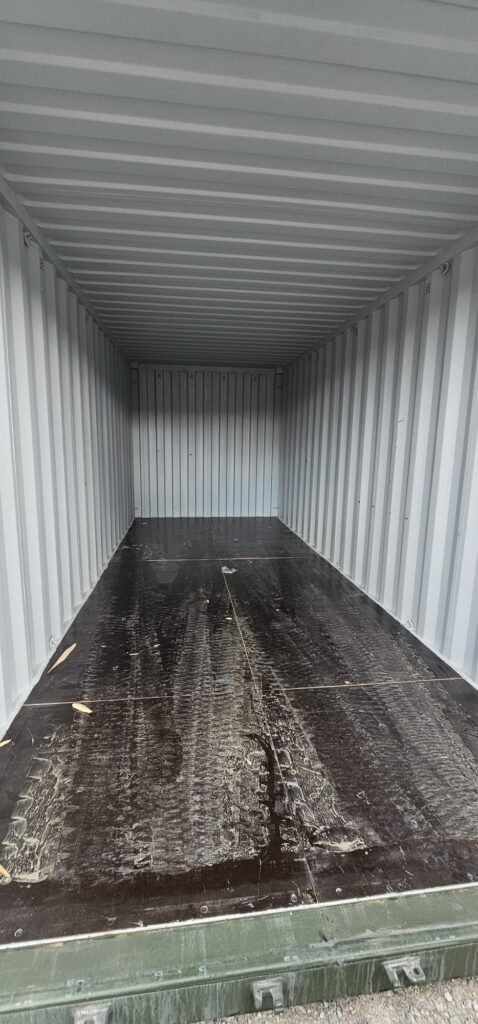
Local Movers were tasked with relocating the equivalent of three 20ft shipping containers of belongings, including two pianos, multiple large antique floor to ceiling dressers and display cabinets, dozens of paintings, and thousands of smaller fragile items. The goal: move everything safely, on schedule, with minimal disruption to the client.
The property and the challenge
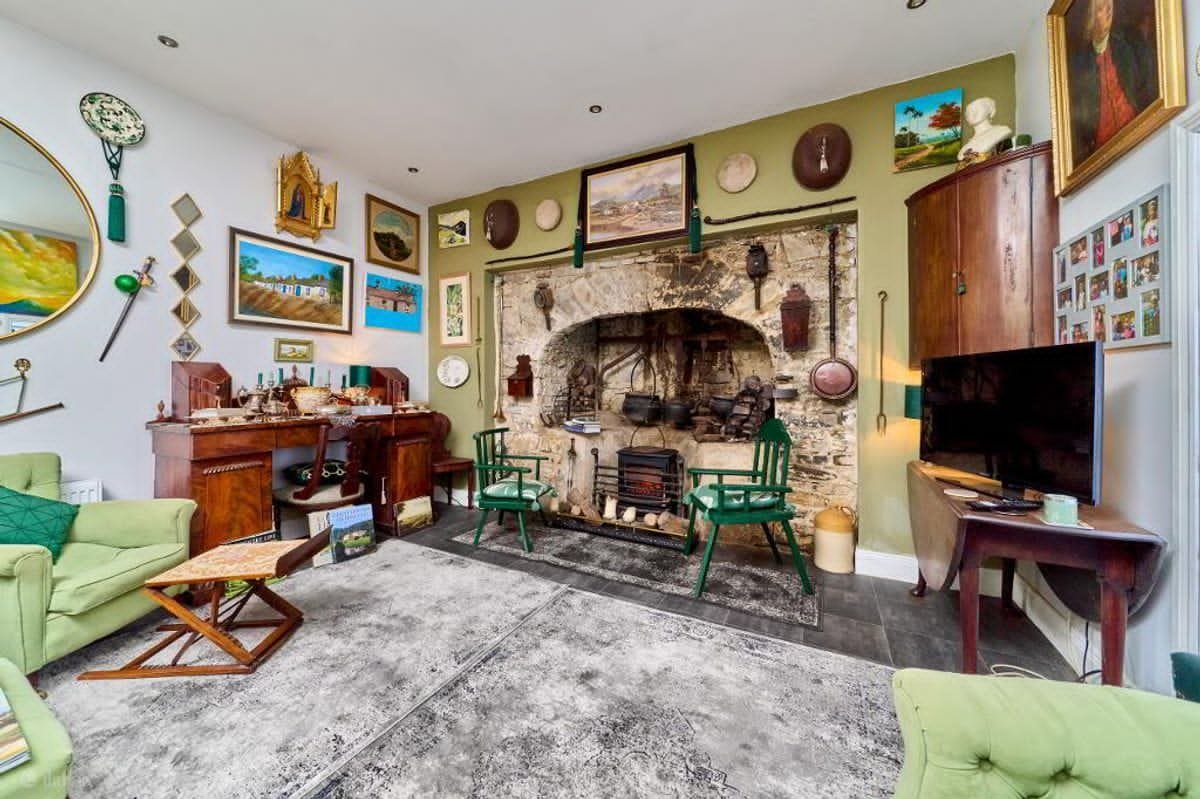
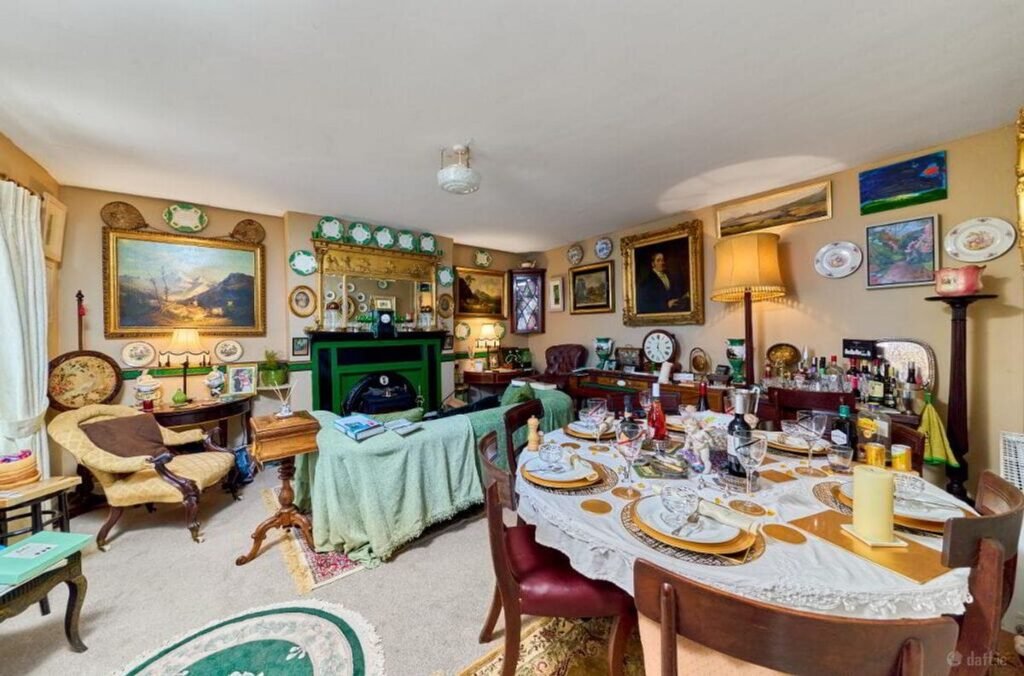
The house itself was a characterful period home filled wall‑to‑wall with:
- Antique furniture (wardrobes, dressers, chests of drawers, sideboards, dining sets, occasional tables, chairs)
- Two pianos (one full‑size upright and one smaller piano/keyboard on stand)
- Dozens of framed artworks and mirrors
- Grandfather clocks and wall clocks
- Extensive collections of plates, ceramics, glassware and ornaments
- Books, textiles, rugs and personal memorabilia
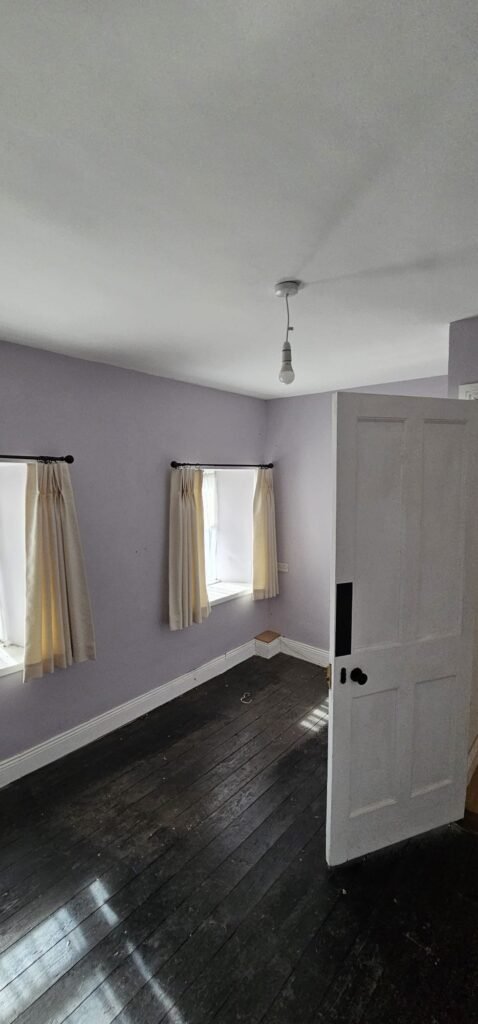
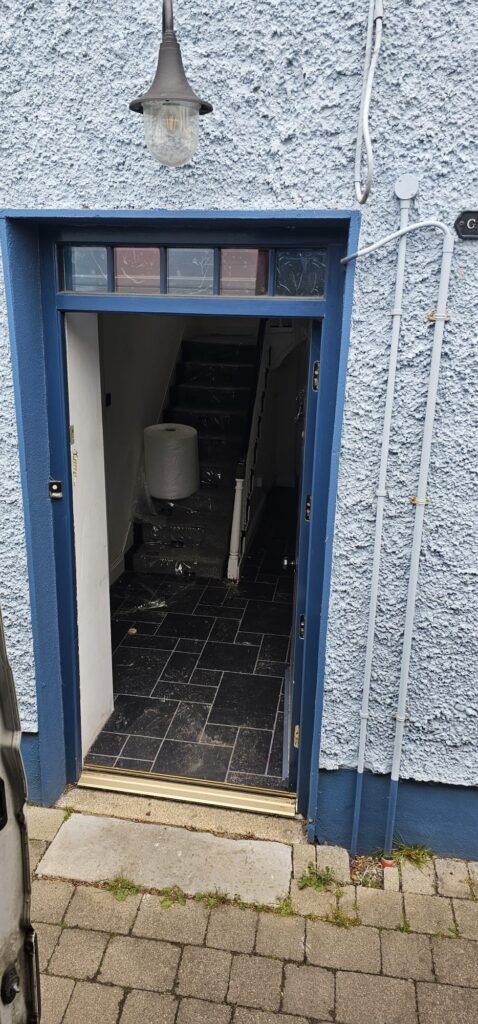
Every room was heavily furnished and decorated. There were no “empty” spaces to stage items in; each wall, corner and surface was used for display. Narrow hallways and staircases typical of an older Irish property added to the access challenge.
Local Movers identified four main risk factors:
- High total volume – equivalent to around 3 x 20ft containers (roughly 120–150 m³ of belongings).
- High proportion of fragile and irreplaceable pieces.
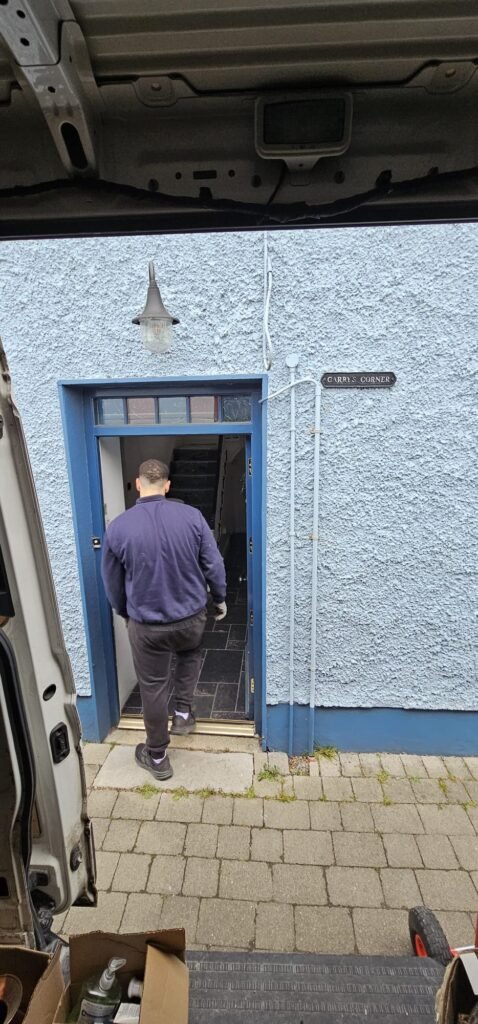
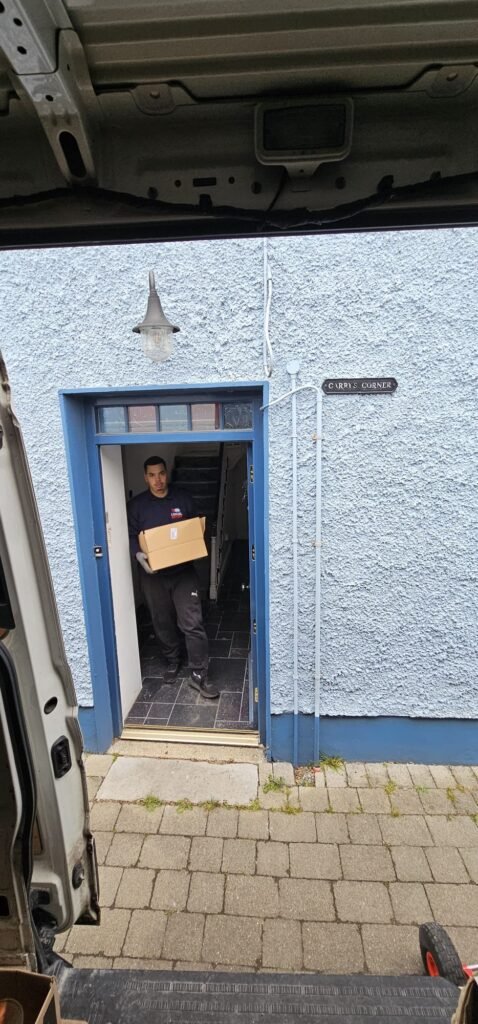
- Tight internal access (stairs, low ceilings, tight turns and narrow doorways).
- Emotional importance – many items collected over decades, with strong sentimental value.
Pre‑move survey and planning
Before proposing a schedule or price, Local Movers conducted a detailed on‑site survey. The survey included:
- Measuring key access points: front door, internal doors, staircase width, landing space, and paths to the loading area.
- Counting and categorising large items:
- Approx. 40–50 large furniture pieces (wardrobes, tallboys, sideboards, dining tables, beds, sofas, armchairs)
- Approx. 20–30 medium furniture pieces (coffee tables, bedside lockers, small cabinets)
- 2 pianos
- 3–5 large clocks
- Estimating box count by room:
- Kitchen & dining: 40–60 boxes (china, glassware, cookware, small appliances, decor)
- Living rooms & hall: 40–60 boxes (books, decor, framed items, ornaments)
- Bedrooms & study spaces: 40–60 boxes (clothes, linens, books, decor, keepsakes)
From this, the team calculated a working volume of around 120–150 m³, equivalent to:
- 3 fully loaded 20ft containers, or
- 4–6 large removal trucks (depending on configuration and loading efficiency).
Crewing and schedule
Based on the volume and complexity, Local Movers planned:
- Crew size: 4 professional movers each day
- Duration:
- 2 days dedicated purely to packing
- 1 main moving day for loading, transit and initial placement
- Optional follow‑up for additional positioning if needed
The move plan was built around room‑by‑room sequencing so the client could remain functional in key areas for as long as possible (e.g. keeping one bedroom and basic kitchen use until late in the schedule).
Packing: treating the home like a museum
Given the nature of the contents, packing standards were set at “gallery level”, not just “household move”.
Materials used
- Double‑walled removal cartons in multiple sizes
- Specialist picture and mirror cartons
- Wardrobe boxes for hanging garments
- Heavy‑duty bubble wrap and foam
- Furniture blankets and export‑grade stretch wrap
- Corner protectors for frames and mirrors
- Floor and banister protection for high‑traffic routes
- Piano skids and padding

Process and labelling
The team worked systematically:
- Zoning: The house was divided into zones: kitchen, dining room, sitting rooms, hallway/landing, each bedroom, plus any attic/outbuildings.
- Inventory & labelling: Every box was labelled with:
- Room of origin
- Category (e.g. “Kitchen – plates”, “Living room – glassware”, “Bedroom 1 – books”)
- Fragility level and orientation (“FRAGILE – glass”, “THIS SIDE UP”).
- Frames and artwork: Each piece was individually wrapped, corner‑protected and placed into picture cartons or wrapped in blankets and stacked upright.
- Clocks and mechanisms: Moving parts were secured, weights removed where necessary, and faces protected before packing.
- Pianos: Keys and lids were secured, delicate surfaces padded and covered, and dedicated equipment prepared for moving day.
By the end of the packing phase, the house contained:
- 120–180 packed boxes across all rooms (depending on final rationalisation by the client)
- All large items wrapped and ready for loading
- Clearly marked walkways to keep access safe and efficient

Moving day: three container‑loads and two pianos
On moving day, the Local Movers crew arrived with:
- A multi‑truck configuration capable of handling 90–100 m³ in one coordinated operation.
- Piano removal equipment (dollies, skids, lifting straps).
- Additional blankets and straps for secure transit.
Loading strategy
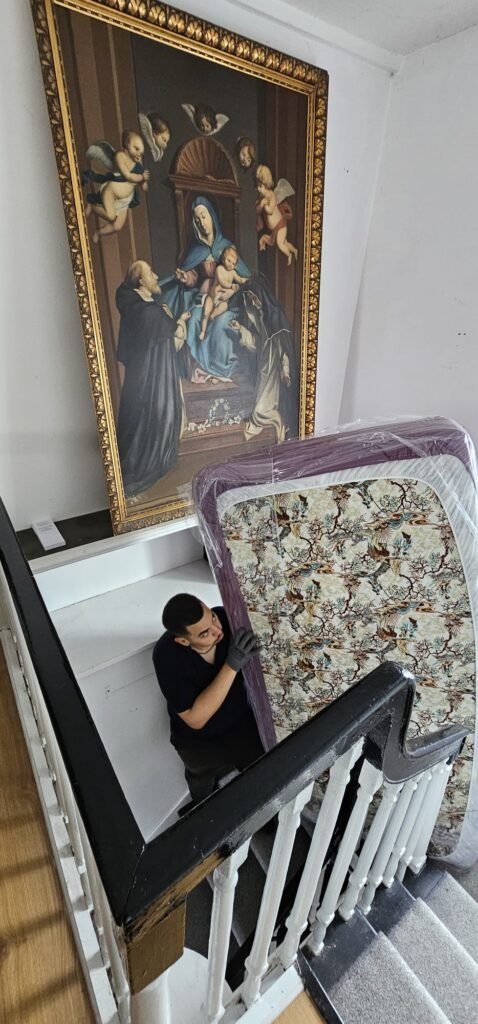
- Protecting the property: Floor protection, bannister guards and door‑frame covers were installed along main routes.
- Priority on heavy and awkward items: Large furniture and the pianos were scheduled early in the day, when the crew was fresh and access paths were still clear.
- Weight and balance: Items were distributed across vehicles to keep load weight within limits and to protect delicate cargo – heavier furniture low and against bulkheads, fragile boxes stacked on top and secured.
- Segregating ultra‑fragile items: Especially delicate pieces (fine china, heirloom glass, small antiques) were packed into a designated section, clearly marked and strapped off from heavier items.
Piano handling
Each piano was:
- Wrapped in thick blankets and protective wrap.
- Carefully tilted and placed onto a piano skid/dolly by a multi‑person team.
- Guided slowly through doorways and down any steps or thresholds, with spotters watching corners and frames.
- Loaded via a ramp or tail‑lift, then tied down using multiple straps to prevent any movement during transit.
Despite the complexity, both pianos were moved without damage to instruments or property.
Delivery and setup at the new home
At the destination, the same attention to detail continued:
- Room‑by‑room placement: Boxes and furniture were delivered directly to their labelled room, reducing double handling and making unpacking manageable.
- Key items first: Beds, main seating, and the dining table were prioritised so the client could sleep and eat comfortably on the first night.
- Piano placement: The team worked with the client to position both pianos in their preferred locations, considering floor strength and acoustics as far as possible.
- Re‑assembly: Where furniture had been dismantled (beds, large tables, some wardrobes), it was re‑assembled on site.
By the end of the move:
- All three “container‑loads” had been transported and delivered.
- No major damage was reported to the client’s antiques or high‑value items.
- The new home was functional from day one, with the collection ready to be re‑displayed over time.
Outcome and client experience
The client’s feedback focused on three things:
- Care: They felt their belongings were treated as a curated collection, not just “stuff in boxes”.
- Calm process: The structured packing and clear communication meant the move felt organised rather than chaotic, despite the sheer volume.
- Trust: Seeing how the pianos and most fragile items were handled gave them confidence from early in the process.
For Local Movers, this project reinforced internal best practice around:
- Detailed pre‑move surveys for high‑volume, high‑value homes.
- Clear crew roles and checklists for antiques and specialist items.
- Over‑communicating with clients where emotion and sentiment are high.
What this means for future clients
This case demonstrates that Local Movers can:
- Plan and execute moves in the 120–150 m³ range (3 x 20ft containers) with complex, fragile contents.
- Safely move pianos and large antiques through tight access in older homes.
- Provide “museum‑level” packing and handling for clients with valuable collections or heirlooms.
- Deliver not just a change of address, but a smooth transition for families who see their belongings as part of their personal history.
If you’re planning a similarly complex move – a large family home, a lifetime collection, or estate contents – Local Movers can provide a detailed survey, volume estimate and move plan tailored to your property and priorities.











People Also Ask:
How far in advance should you start packing before moving?
Who is responsible for providing all packing materials if a packing service is booked?
How do Local Movers ensure safe handling of fragile or high-value items?
